
The JFK Assassination: Uncovering the Truth About America’s Most Controversial Conspiracy Theory

In 1963, President John F. Kennedy was assassinated in Dallas, Texas, sparking one of the most enduring and controversial conspiracy theories in American history. Did Lee Harvey Oswald act alone, as the Warren Commission concluded, or was there a larger conspiracy involving multiple shooters and government officials? In this article, we’ll explore the history of the JFK assassination, examine the evidence, and try to uncover the truth about what really happened.
The Assassination
The assassination of President John F. Kennedy on November 22, 1963, remains one of the most controversial events in American history. Kennedy was riding in an open car with his wife Jacqueline and Texas Governor John Connally when he was shot and killed in Dealey Plaza in Dallas, Texas.
The alleged assassin, Lee Harvey Oswald, was arrested and charged with the murder. However, before he could be brought to trial, Oswald was himself shot and killed by nightclub owner Jack Ruby.
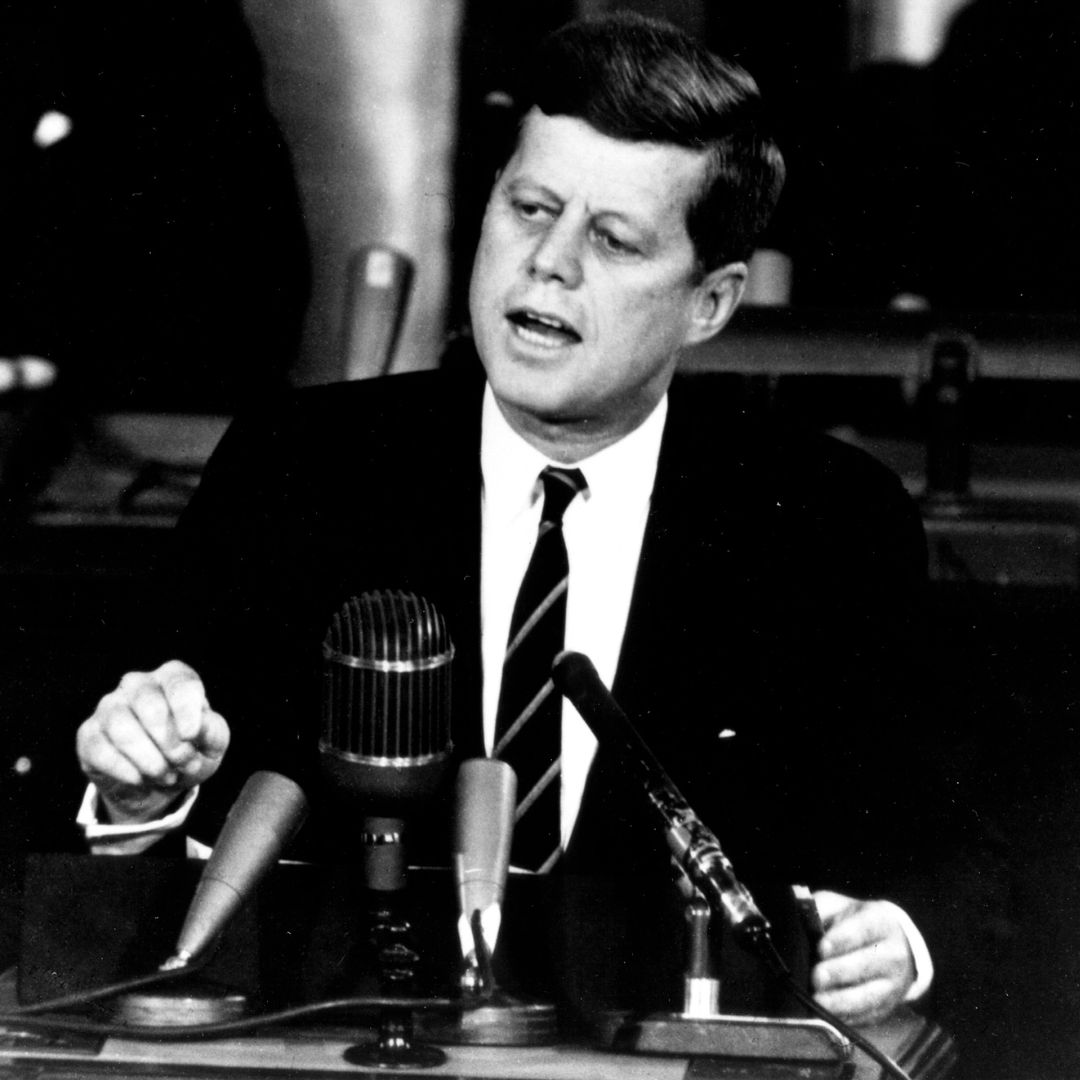
The assassination of President Kennedy has been the subject of numerous investigations and conspiracy theories over the years. The Warren Commission, which was established by President Lyndon B. Johnson to investigate the assassination, concluded that Oswald acted alone and that there was no evidence of a conspiracy. However, many people have remained skeptical of this conclusion, and a number of alternative theories have been put forward over the years.
Eyewitness accounts of the assassination vary, with some people claiming to have heard shots fired from more than one location, and others insisting that the shots came from the Texas School Book Depository building where Oswald was working. The physical evidence also remains the subject of debate, with some experts arguing that the fatal shot could not have been fired from Oswald’s location.
The assassination of President Kennedy was a defining moment in American history, and its impact continues to be felt to this day. The controversy surrounding the assassination and the allegations of a government cover-up have contributed to a deepening sense of mistrust in government institutions among many Americans.
The Conspiracy Theories
The assassination of President John F. Kennedy has been the subject of numerous conspiracy theories for decades. Many people believe that Lee Harvey Oswald did not act alone and that there was a larger conspiracy involved in the assassination.
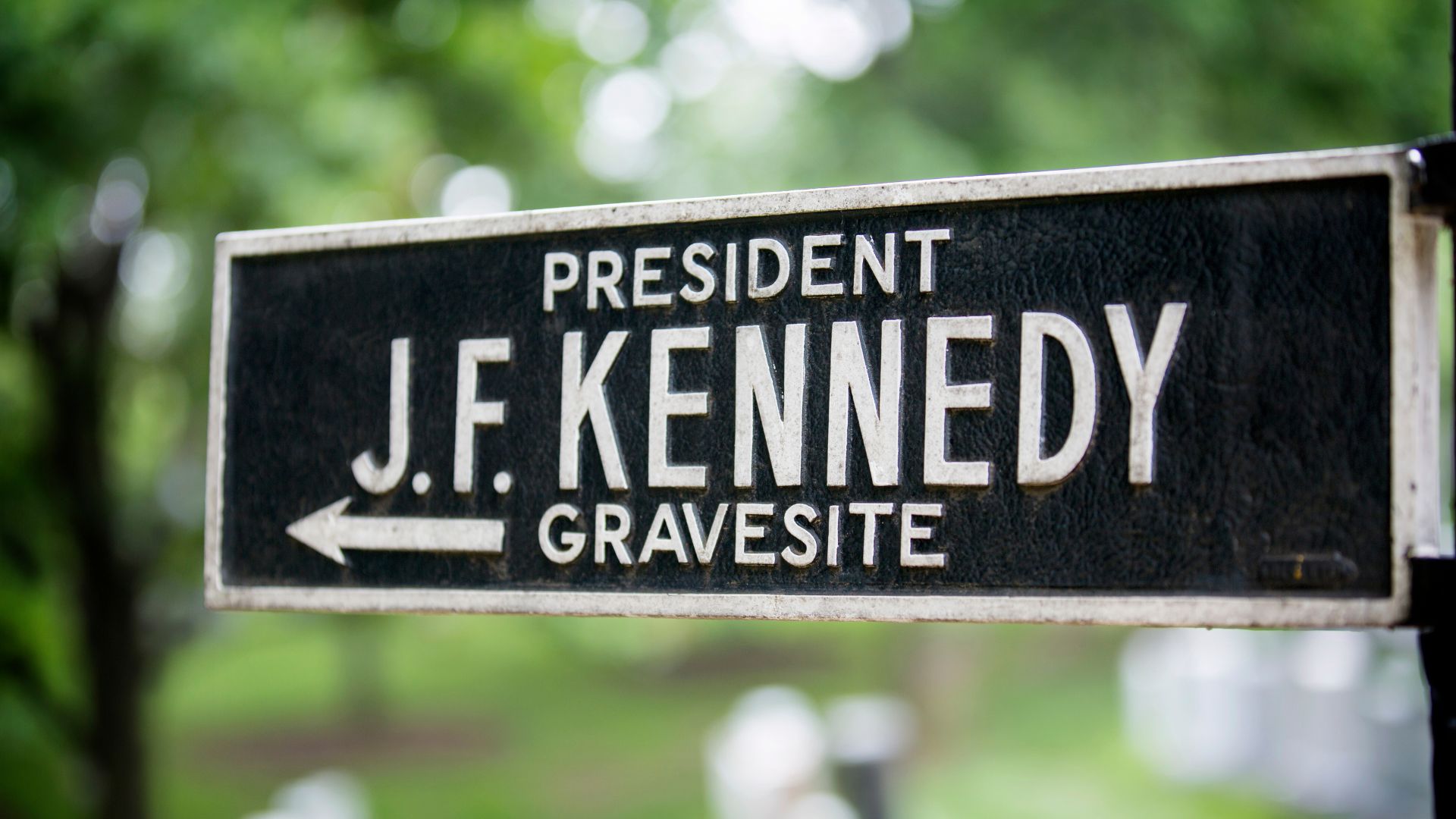
One of the most popular conspiracy theories is that the CIA was involved in the assassination. Some theorists believe that Kennedy’s efforts to scale back the CIA’s power and control over intelligence operations threatened the agency’s existence and led to his assassination. Others suggest that the CIA was involved in a larger conspiracy with organized crime figures who were unhappy with Kennedy’s administration.
Another popular theory is that there was a second shooter, and that Oswald was merely a “patsy” or a fall guy. Some point to eyewitness testimony and alleged inconsistencies in the evidence as proof of this theory.
Additionally, some conspiracy theories center around Kennedy’s alleged extramarital affairs and connections to organized crime, suggesting that these factors played a role in his assassination.
Despite the persistence of these theories, there has been no conclusive evidence to support any of them. The Warren Commission, which was established to investigate the assassination, concluded that Oswald acted alone, and subsequent investigations have largely upheld this conclusion. However, many conspiracy theorists remain skeptical of the official account and continue to search for evidence to support their theories.
The Government’s Official Story and Controversies
After the assassination of President Kennedy, the government launched a comprehensive investigation into the incident, led by the Warren Commission. In 1964, the Commission released its findings, which concluded that Lee Harvey Oswald acted alone in killing the President.

The Commission’s report has been the subject of intense scrutiny and criticism over the years, with many people questioning its accuracy and the thoroughness of the investigation.
One of the primary criticisms of the Warren Commission’s report is that it failed to fully investigate the possibility of a conspiracy involving other individuals or groups. Many people believe that Oswald was not acting alone and that he may have been part of a larger plot to assassinate the President. Some of the evidence cited in support of this theory includes eyewitness accounts of multiple shooters and inconsistencies in the official timeline of events.
In the years following the release of the Warren Commission’s report, numerous other investigations and inquiries have been conducted into the assassination, with varying degrees of skepticism and scrutiny. One of the most well-known of these was the House Select Committee on Assassinations, which was formed in 1976 to investigate the assassinations of both President Kennedy and Martin Luther King Jr. The Committee’s findings, released in 1979, concluded that there was a high probability that a second gunman was involved in the assassination of Kennedy, and that the assassination was likely the result of a conspiracy.
Despite the official conclusions of these investigations, many people continue to believe that the government has not been forthcoming about the events surrounding the assassination. Some believe that the government has deliberately covered up evidence of a conspiracy, while others question the accuracy of the investigations themselves. The controversy surrounding the assassination and the government’s response to it has contributed to widespread public distrust of the government and the intelligence community.
The Legacy of the JFK Assassination
The assassination of President Kennedy had a profound impact on American culture and politics, and its legacy continues to be felt to this day. Here are some of the ways in which the event has influenced history:
Changes in Government and Security:
The assassination prompted significant changes in government and security. Within hours of Kennedy’s death, Vice President Lyndon B. Johnson was sworn in as the new president, and a commission was established to investigate the assassination. This led to the creation of the Warren Commission, which concluded that Lee Harvey Oswald acted alone in assassinating Kennedy.
The assassination also highlighted the need for increased security for the president and other government officials. As a result, the Secret Service was given new responsibilities, and Congress passed laws to protect the president and other officials.
Conspiracy Theories:
The JFK assassination has been the subject of numerous conspiracy theories, many of which suggest that the government was involved in the assassination. These theories have been fueled by inconsistencies in the official account of the assassination, as well as by the fact that Oswald was killed by nightclub owner Jack Ruby before he could stand trial.
Despite the official conclusions of the Warren Commission and subsequent investigations, many people remain convinced that there was a conspiracy to assassinate Kennedy, and the debate over what really happened continues to this day.
Cultural Impact:
The JFK assassination had a profound impact on American culture. It was a traumatic event that shocked the nation, and it was covered extensively by the media. The assassination also marked the end of an era of American optimism and idealism, and it led to a period of political and social upheaval.
The assassination has been the subject of numerous books, films, and TV shows, many of which have become cultural touchstones. It has also inspired a generation of artists and activists, who have sought to carry on Kennedy’s legacy of public service and idealism.
Historical Significance:
The JFK assassination is widely considered to be one of the most significant events in American history. It marked the end of the Kennedy presidency and ushered in a new era of American politics. It also had a profound impact on American foreign policy, particularly in relation to the Cold War and the Vietnam War.
The assassination has been studied extensively by historians and scholars, and it continues to be the subject of research and debate. Despite the passage of time, the legacy of the JFK assassination remains a subject of fascination and speculation, and it will likely continue to be so for generations to come.
Legacy and Ongoing Debates
The assassination of President Kennedy continues to be a topic of intense interest and controversy, with many unresolved questions and debates surrounding the event. Here are some key areas of ongoing discussion:
1 Conspiracy Theories:
Despite the Warren Commission’s conclusion that Lee Harvey Oswald acted alone in killing Kennedy, many people continue to believe in various conspiracy theories that suggest that other individuals or groups were involved in the assassination. Some popular theories include involvement by organized crime, the CIA, or other government agencies.
2 Government Secrecy:
The assassination and subsequent investigations have been marked by a significant level of government secrecy and classified information. The Warren Commission’s investigation was conducted largely in secret, and some documents related to the case remain classified to this day. The government’s reluctance to release all the information has fueled suspicion and speculation about what really happened.
3 Assassination Records Collection Act:
In 1992, following pressure from researchers and the public, Congress passed the Assassination Records Collection Act, which required the release of all government records related to the assassination. Since then, tens of thousands of documents have been released, shedding new light on the events surrounding the assassination. However, some key documents remain classified, and some researchers believe that the government is still withholding important information.
4 Scientific Analysis:
In recent years, new technology and scientific techniques have allowed researchers to re-examine the evidence and re-evaluate some of the key findings of the Warren Commission. For example, ballistics experts have disputed the Commission’s conclusion that a single bullet caused all of Kennedy’s wounds, and some researchers have pointed to new evidence that suggests there may have been other shooters besides Oswald.
5 Public Perception:
The assassination of President Kennedy and the subsequent investigations have had a significant impact on public trust in government and institutions. The Warren Commission’s findings were widely criticized and viewed with skepticism, and the government’s handling of the investigation and the release of information has led many people to question the transparency and honesty of their leaders.
In conclusion, the assassination of President John F. Kennedy remains one of the most significant events in American history, with a complex and controversial legacy. While the official conclusion of the Warren Commission was that Lee Harvey Oswald acted alone in killing Kennedy, many questions remain unanswered and debates continue about the true nature of the assassination and the government’s handling of the case.
Conclusion
In conclusion, the JFK assassination remains one of the most controversial events in American history. While the Warren Commission concluded that Lee Harvey Oswald acted alone in assassinating President Kennedy, many people believe that there was a larger conspiracy involving multiple shooters and government officials.
The conspiracy theories surrounding the assassination have persisted for decades and continue to captivate the public imagination. Despite the release of government documents and ongoing investigations, the truth about what really happened in Dallas on November 22, 1963, may never be fully known.